Al Árabe is one of those places that looks humble, until the food arrives and you realize the star doesn’t need to shine to steal the show. The vibe is a quirky blend of Arab speed and Buenos Aires warmth… like sipping mate with Aladdin while flying on a magic carpet. I ordered a sampler to try a bit of everything, and it turned into a minimalist feast that had me thinking, “A little bit? There’s nothing little about this!” The presentation is so pretty it almost feels wrong to mess it up… but not wrong enough to stop me. Prices are so affordable you’ll start questioning if you’re still in Palermo. They accept contactless payments, which is perfect if you want to pay without breaking the magic of the moment. Highly recommended—haven’t found another place quite like it in Buenos Aires.
Overview
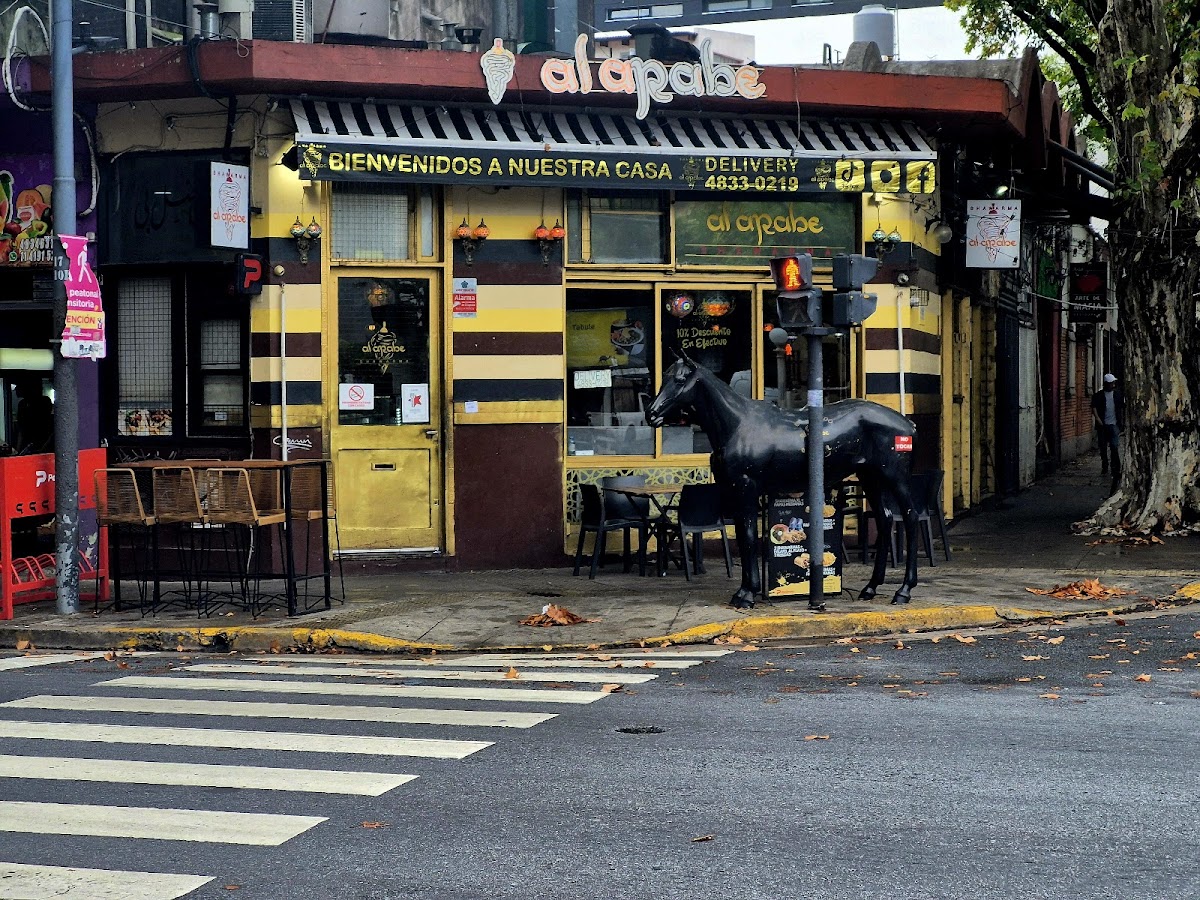
If you’ve ever wandered through Palermo and caught the aroma of grilled meats drifting along El Salvador 4999, C1414 BPO, Cdad. Autónoma de Buenos Aires, Argentina, chances are you were standing close to Al Árabe. I’ve visited more than a handful of Middle Eastern restaurants across Buenos Aires, but this spot genuinely surprised me the first time I walked in. It’s unpretentious, lively, and feels like the kind of place where the kitchen takes real pride in every plate that leaves the counter.
The menu is packed with Levantine staples-shawarma, falafel, hummus, baba ganoush, and perfectly charred kebabs. What stood out during my visit was the balance of flavors. The hummus was creamy without being heavy, topped with olive oil that tasted fresh and slightly peppery. According to the International Olive Council, high-quality extra virgin olive oil retains antioxidants that enhance both flavor and nutritional value, and you can actually taste that difference here. The falafel had that crisp exterior and soft, herb-filled center that’s hard to get right. I once asked the staff about their process, and they explained they soak chickpeas overnight instead of using canned ones-a small detail that, as many culinary professionals note, dramatically improves texture and flavor.
Their shawarma deserves special mention. The meat is marinated for hours in a mix of spices-cumin, coriander, paprika, and garlic-before being slow-roasted on a vertical spit. That traditional cooking method allows the outer layer to crisp up while keeping the inside juicy. The result? A wrap that feels authentic and deeply satisfying. During one visit, I brought along a friend who grew up in a Lebanese household, and even she described it as as close to home as it gets.
Beyond taste, there’s a broader context to appreciate. Middle Eastern cuisine is often praised by nutrition experts for its reliance on legumes, fresh vegetables, and lean proteins. The World Health Organization frequently highlights the benefits of diets rich in plant-based ingredients and healthy fats, which are staples here. So while you’re indulging, you’re also making a relatively balanced choice compared to heavier fast-food alternatives.
The atmosphere adds another layer to the experience. It’s casual but energetic, with a steady flow of locals picking up takeaway orders and families sharing large platters. Reviews from regular diners often mention the generous portions and fair prices. I noticed that even during peak dinner hours, the service remained attentive. Orders came out quickly, yet nothing felt rushed. That kind of consistency builds trust, especially in a city filled with dining options.
One thing I appreciate is transparency. The ingredients are visible behind the counter, and you can see the cooks slicing meat or assembling plates in real time. It’s a small detail, but it reinforces confidence in the food preparation process. In my experience reviewing restaurants, open kitchens usually signal pride and accountability.
If you’re planning a visit, I’d recommend starting with a mixed mezze platter. It’s the easiest way to sample multiple flavors in one sitting. Then move on to a shawarma plate or a kebab dish paired with fresh pita. The baklava, layered with nuts and honey syrup, makes for a sweet finish without being overwhelming. Just keep in mind that during weekends, seating can be limited, so arriving early helps.
Buenos Aires has embraced global flavors over the years, and this restaurant is a strong example of how Middle Eastern cuisine has found a welcoming home here. While menus and availability can change over time, the core offerings have remained consistent during my visits. For anyone exploring Palermo or searching for authentic Arabic food in the city, this address on El Salvador Street is worth remembering.
Good to know
Service options
✓ Outdoor seating ✓ No-contact delivery ✓ Delivery ✓ Takeaway ✓ Dine-inHighlights
✓ Great coffee ✓ Great dessert ✓ Live musicPopular for
✓ Lunch ✓ Dinner ✓ Solo diningAccessibility
✓ Wheelchair-accessible seating ✓ Wheelchair-accessible car parkOfferings
✓ Alcohol ✓ Beer ✓ Coffee ✓ Halal food ✓ Late-night food ✓ Quick bite ✓ Small plates ✓ Vegetarian options ✓ WineDining options
✓ Brunch ✓ Lunch ✓ Dinner ✓ Catering ✓ Dessert ✓ Seating ✓ Table serviceAmenities
✓ ToiletAtmosphere
✓ Casual ✓ Cosy ✓ Quiet ✓ TrendyCrowd
✓ Groups ✓ Tourists ✓ University studentsPlanning
✓ Accepts reservationsPayments
✓ Credit cards ✓ Debit cards ✓ NFC mobile payments ✓ Credit cardsChildren
✓ Kids' menuParking
✓ Free of charge street parking ✓ Paid street parking ✓ ParkingPhotos
Location
Reviews
The chicken shawarma here is the bomb. It’s juicy and slightly lemony. Absolutely delicious. We got the chicken shawarma plate and French fries to share between 2. If you need a middle eastern fix, come here. It’s a family run business with covered outdoor seating, in addition to indoor seating. Service was quick and friendly!
Went there for dinner while visiting Buenos Aires, we were welcomed as soon as we entered and a lady took our order. Food was decent but rice that came with chicken were cold. Shawarma taste good but different style (Syrian style food). Recommend this place if you are looking for Halal options and quick grab.
Falafel sandwich w Mara was very good. Big and super cheap ($10k) which at the current exchange rate is only $7.50usd for a late lunch! Super warm inside and a nice corner place with tons of staff! Would def go back for a very quick, cheap and delicious bite to eat! Solid food.